
mirror sheet for bathroom
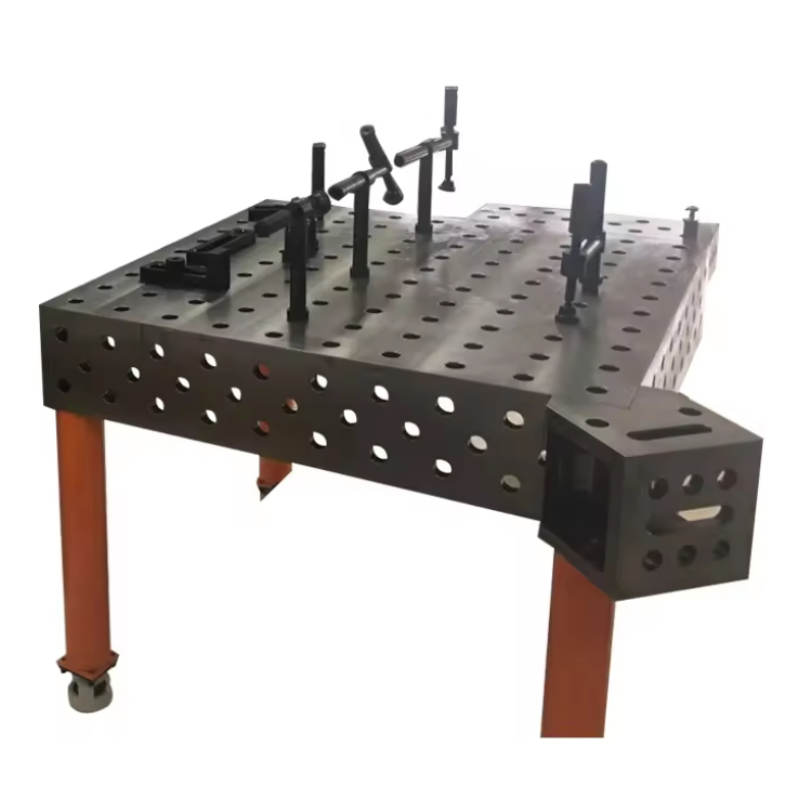
Building a Welding Table The Essential Guide Creating a dedicated welding table is a fundamental project for any welder. A good welding table not only provides a flat and stable surface for your projects but also enhances safety and efficiency in your work. In this article, we will guide you through the essential steps and considerations for making a welding table that meets your specific needs. Step 1 Planning Your Welding Table Before starting any construction work, it’s crucial to plan the design of your welding table. Consider the following factors 1. Size Determine the dimensions based on your typical projects. A standard size varies, but a good starting point is around 4 feet by 2 feet. If you often work on larger projects, you may need to increase the size. 2. Height The ideal height of a welding table should be comfortable for your working stance. Generally, it is around waist height. Some experienced welders prefer adjustable height tables for added versatility. 3. Material The tabletop material is critical. Common choices include steel and aluminum. Steel is more durable and can withstand higher temperatures, making it ideal for welding. Consider using a 1/4-inch or thicker steel plate for the top, as it prevents warping and provides a reliable surface. 4. Portability Decide whether you want a stationary table or a portable one on wheels. A mobile table can be advantageous for small workshops or when workspace is limited. Step 2 Gather Materials and Tools Once you have a design in mind, it’s time to gather your materials and tools. Here’s a basic list - Steel or aluminum sheet for the tabletop - Steel tubing for the frame and legs - Angle grinder - Welding machine - Metal clamps - Measuring tape - Safety gear (gloves, mask, apron) - Level Step 3 Constructing the Frame Start by building the frame of your welding table. Cut your steel tubing to the desired lengths for the table legs and support beams. A common design features a rectangular frame, with four legs at each corner for stability. 1. Weld the Frame Position the cut tubing pieces and use clamps to hold them in place. Tack weld the corners before fully welding to ensure everything is square. making a welding table 2. Add Cross Supports Strengthen the structure by adding cross supports beneath the tabletop. This will prevent sagging and increase the overall stability of the table. 3. Attach Legs Securely attach the legs to the corners of the frame. Ensure they are evenly spaced and square to provide a level working surface. Step 4 Attaching the Tabletop Once the frame is ready, it’s time to attach the tabletop 1. Place the Steel Plate Position the steel sheet on top of the frame. Ensure it overhangs evenly on all sides if that is part of your design. 2. Weld the Top Use even, consistent welds along the edges to secure the tabletop to the frame. Take care to prevent any warping by allowing the metal to cool as you work. Step 5 Finishing Touches After the welding is complete, you should consider a few finishing touches 1. Level the Table Use a level to check the surface. If needed, adjust the legs to ensure the table is perfectly flat. 2. Surface Treatment To prolong the life of your welding table, consider painting it with high-temperature paint or adding a rust-resistant coating. 3. Add Features Many welders enhance their tables with additional features like built-in clamps, storage for tools, or electrical outlets for equipment. Conclusion Making a welding table is a rewarding project that significantly boosts your welding capabilities. It not only provides a flat and sturdy surface but also helps keep your workspace organized and safe. By following these steps and carefully considering your needs, you can build a welding table that serves you well for years to come. Happy welding!
about
mirror sheet for bathroom
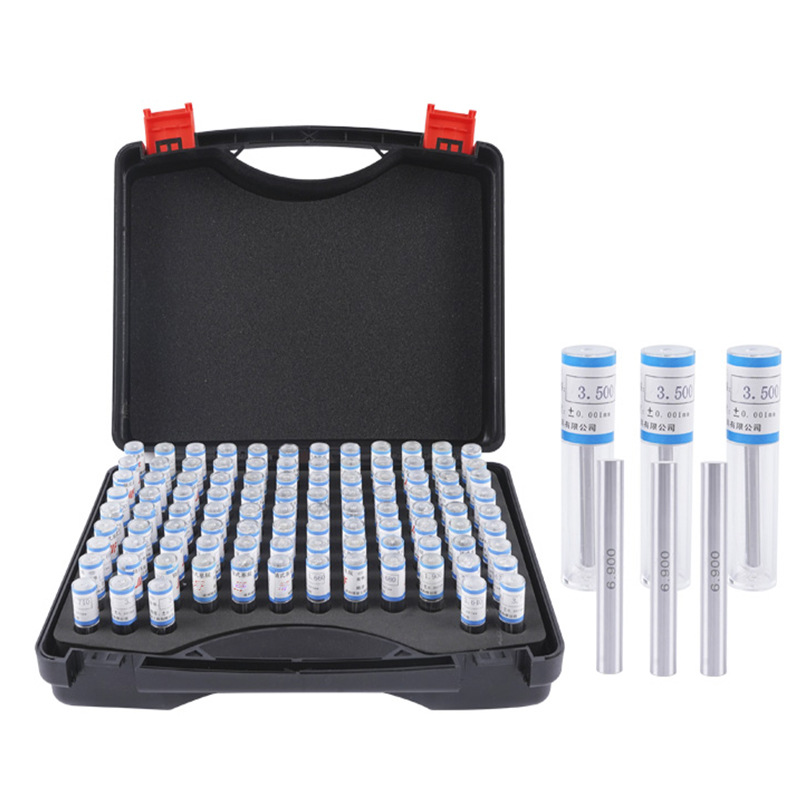
Understanding Snap Gauge Types A Comprehensive Overview Snap gauges are precision measuring tools used extensively in manufacturing and engineering to ensure the dimensional accuracy of various components. They are designed to quickly and accurately assess the size of an object, making them indispensable in quality control processes. In this article, we'll delve into the types of snap gauges, their functionalities, benefits, and applications. What is a Snap Gauge? A snap gauge, also known as a snap gauge micrometer or comparator, is a non-electric measuring device that translates the physical dimensions of an object into a measurable output. Snap gauges typically consist of a base, a measuring element, and a measuring jaw. The jaws are set to specific dimensions and can snap onto the object being measured, providing a clear indication of whether the component meets required specifications. Types of Snap Gauges 1. Fixed Snap Gauges Fixed snap gauges have non-adjustable measurements and are used for checking components with established tolerances. They are designed to provide a quick pass or fail judgment based on whether the workpiece fits between the jaws. These types of gauges are most commonly used in high-volume manufacturing where consistency is critical. 2. Adjustable Snap Gauges Unlike fixed gauges, adjustable snap gauges allow the user to set the measurement to be checked. This flexibility makes them useful for inspecting a variety of parts with different specifications. Adjustability is typically achieved through a calibrated mechanism, which may include a micrometer screw, to fine-tune the settings to the desired dimension. 3. Go/No-Go Snap Gauges Go/No-Go snap gauges are designed with two ends - one marked Go and the other No-Go. The Go end should fit the object if it is within acceptable limits, while the No-Go end should not. This type is straightforward and efficient for ensuring parts are manufactured within tolerances without needing to take precise measurements. 4. Electronic Snap Gauges A more modern development, electronic snap gauges incorporate digital readouts. These gauges can provide more precise measurements and offer functionalities such as data logging and connectivity with other systems for enhanced quality control processes. They are suitable for industries where precision and data analysis are paramount. snap gauge types Benefits of Using Snap Gauges Snap gauges offer numerous advantages in manufacturing and inspection processes. Their primary benefits include - Speed Snap gauges can assess a part's size almost instantly, making them ideal for high-production environments. - Simplicity The ease of use reduces the learning curve for operators, allowing employees to quickly become proficient in measurement. - Consistency With fixed designs or calibrated settings, snap gauges provide reliable measurements, ensuring that products consistently meet specified tolerances. - Cost-Effectiveness Compared to other advanced measuring tools, snap gauges are relatively affordable, making them accessible for a wide range of businesses. Applications in Various Industries Snap gauges find applications across numerous sectors, including - Automotive Manufacturing Ensuring the precise dimensions of engine components and chassis parts. - Aerospace Measuring critical components where precise dimensions are vital for safety and performance. - Consumer Electronics Ensuring that housing parts and internal components fit together seamlessly. - Medical Devices Checking the dimensional accuracy of components that must meet strict regulatory requirements. Conclusion In conclusion, snap gauges are essential tools in many industries, providing fast and reliable measurements to uphold quality standards. Understanding the various types of snap gauges and their applications can help businesses optimize their measurement processes and ensure product reliability. As technology advances, incorporating more sophisticated gauges can further enhance accuracy and efficiency in manufacturing practices.
-

High quality industrial productsagement

High quality industrial products
View Details -

Meet the diverse needs of customers

Meet the diverse needs of customers
View Details -

Strict quality control

Strict quality control
View Details -

Top raw materials

Top raw materials
View Details -

Trusted supplier

Trusted supplier
View Details
Our application

news and information

Water Valve Shutoff Mechanism for Efficient Water Control and Management
Understanding Water Valve Shut Off Importance and Applications A water valve shut off is a critical
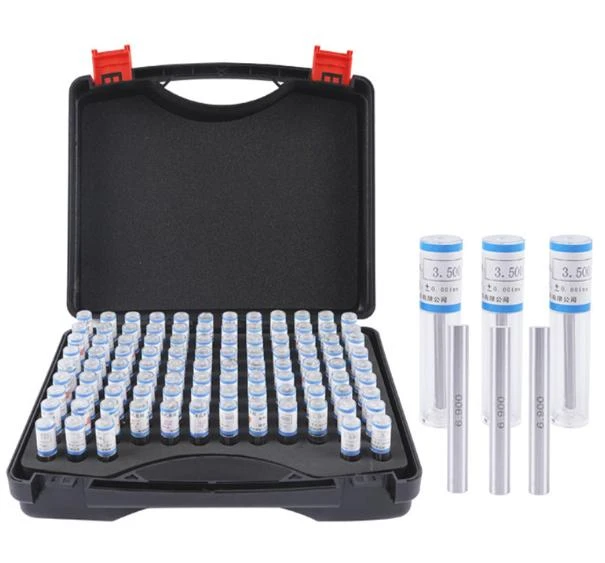
Versatile L-Shaped Metal Ruler for Precision Measuring and Layout Tasks
The Versatility of the Metal L-Shaped Ruler In the realm of tools and instruments, few items are as
Versatile 48% Butterfly Valve for Enhanced Flow Control in Various Applications
Understanding the 48% Butterfly Valve A Key Component in Modern Flow Control When it comes to flow c
 English